 Aubrey Terrazas | Practical Wanderlust
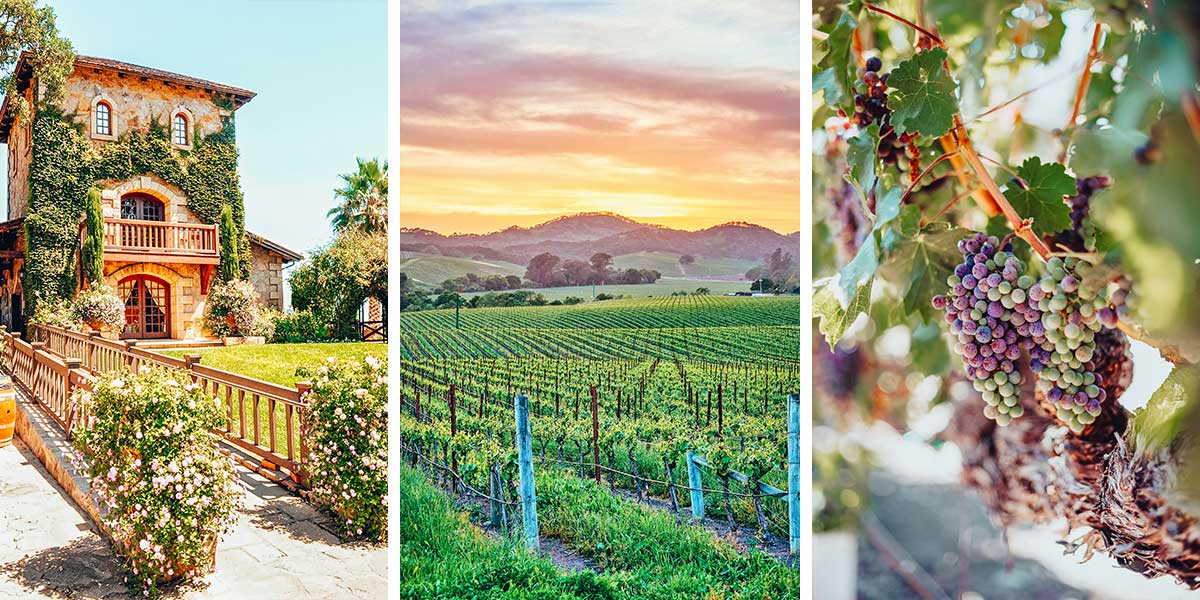
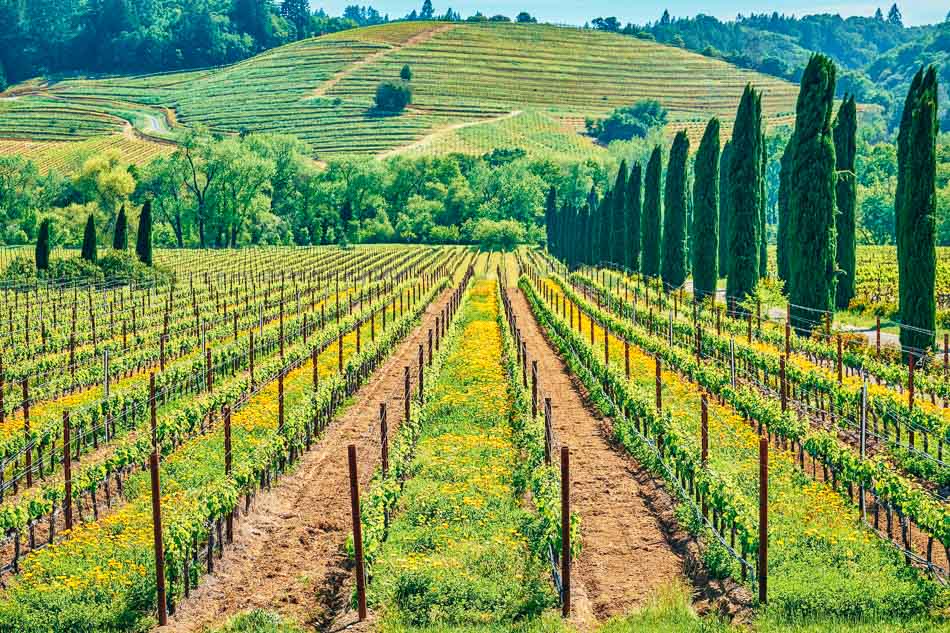
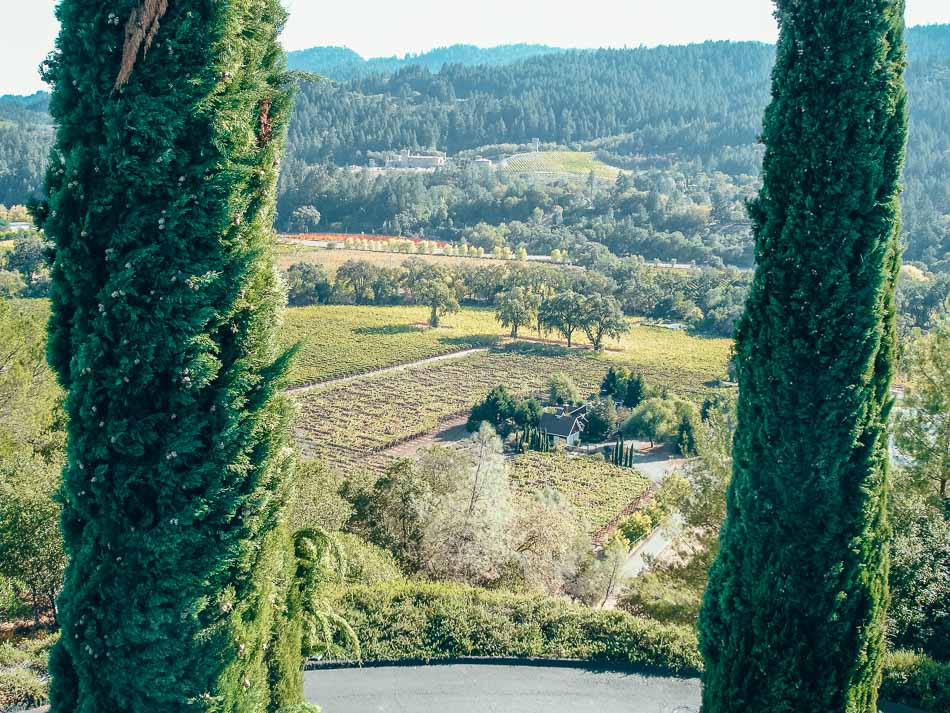
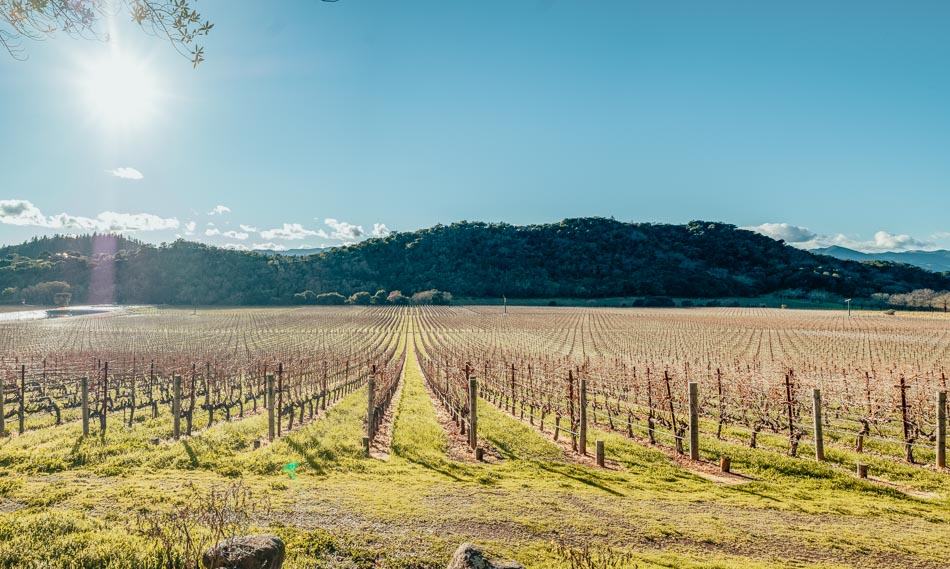
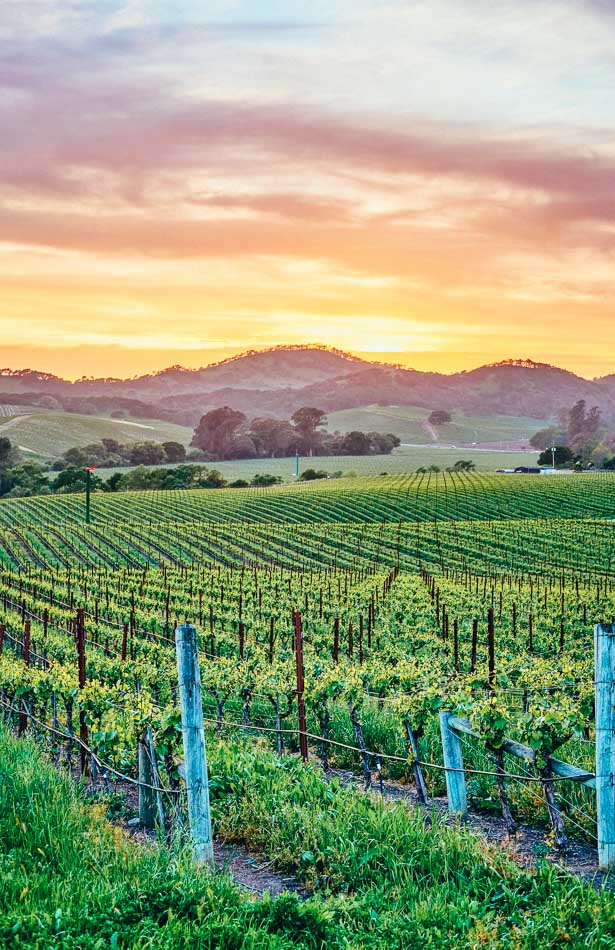
Rolling vineyards. Misty mountains. Opulent castles. Welcome to Napa Valley, California’s most iconic wine country – and for good reason! California makes the some of the best wine in the world (we’re biased, but it’s also true) and Napa wineries are the glittering heart of California’s globally-celebrated wine industry.
Napa Valley is one of the world’s most iconic wine destinations, but it isn’t just the Cabernet that brings in nearly 4 million tourists every year. Ideally situated about an hour north of San Francisco, Napa Valley sets the standard for wine tourism and hospitality. Its classic wine country views, Michelin-starred chefs, and imaginative wine tasting experiences attract wine lovers and inspire connoisseurs. Napa Valley is a must-visit destination if you’re planning a trip to Northern California!
We are lucky to have Aubrey Terrazas, who is an Advanced Sommelier and wine buyer for the San Francisco-based digital tasting app Palate Club, guide us through the best wineries in Napa. Aubrey has frequented Napa Valley for the better part of a decade, and has discovered unique tasting experiences while acting as a tour guide to visiting friends and family (um, can we. come too?). Take it away, Aubrey!
THINGS TO KNOW ABOUT NAPA
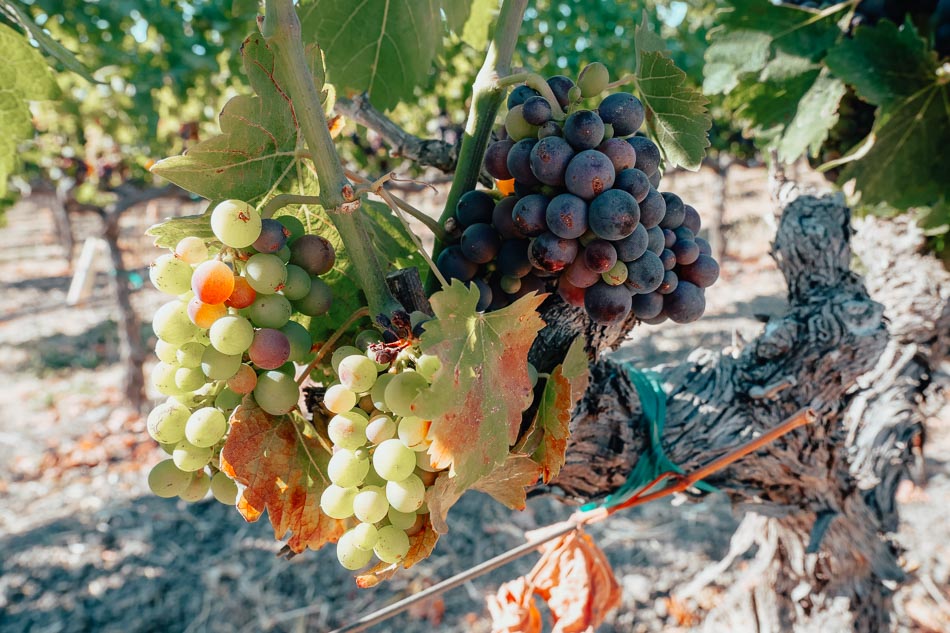
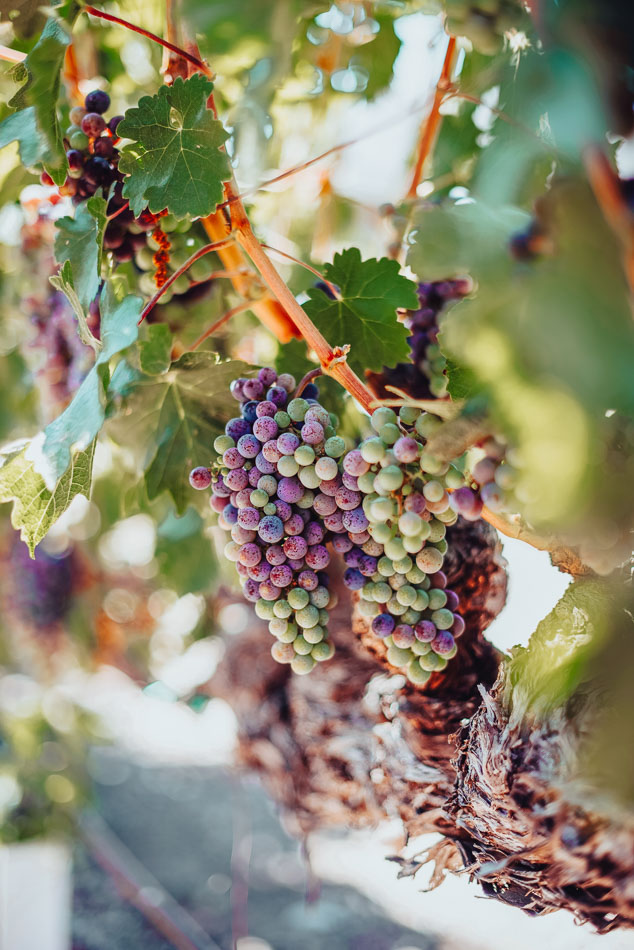
Let’s start with why Napa Valley is famous: really, really good wines. Napa Valley is ideally situated to make some of the world’s best wines. The grapes get long hours of California sunshine to ripen, but the area quickly drops around 40 degrees Fahrenheit at night due to the cool Pacific Ocean’s influence. The reliably cool, foggy mornings and evenings allow the grapes to retain acidity, which leads to more balance to the wines.
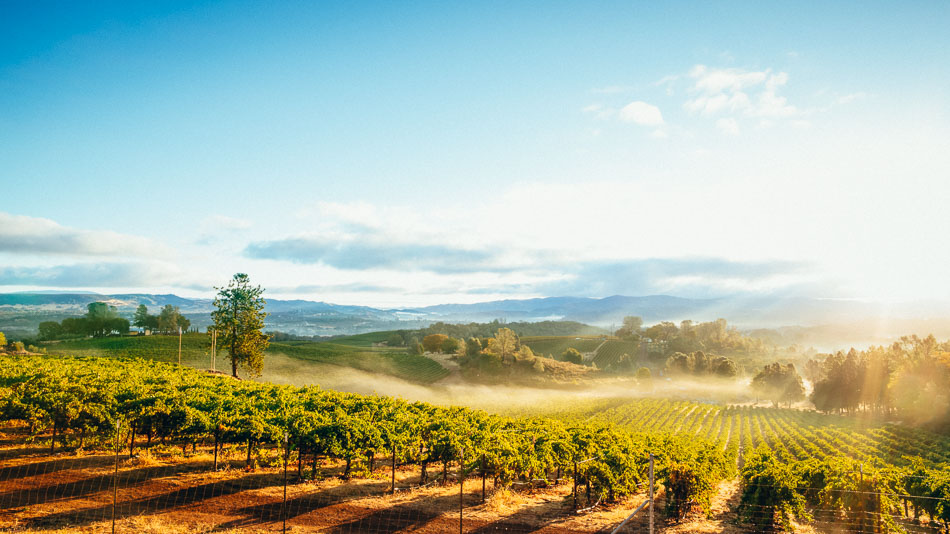
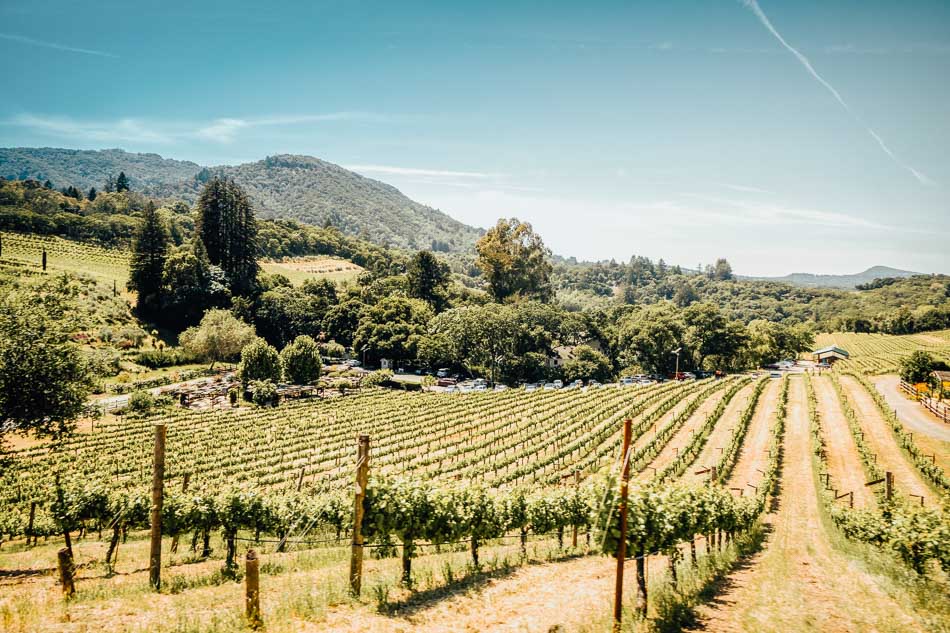
Mountains surround the valley on both sides: the Vaca Range to the East and the Mayacamas to the West. Within less than an hour’s drive, soil types and microclimates vary widely, and between these two mountain ranges, wineries and vineyards are sprinkled throughout!
It takes less than an hour to get from one end of Napa Valley to the other, but the wineries’ density could quickly fill up a week of wine tasting.
Most Napa tourists stick to Highway 29, which is lined by dozens of wineries (many of which you don’t need typically a reservation to visit). Traffic can lurch on the weekends, but driving Highway 29 and stopping wherever tickles your fancy is the easiest way to visit Napa without much planning. Just be prepared for crowded tasting rooms and potentially slower service!
NAPA VS. NAPA VALLEY
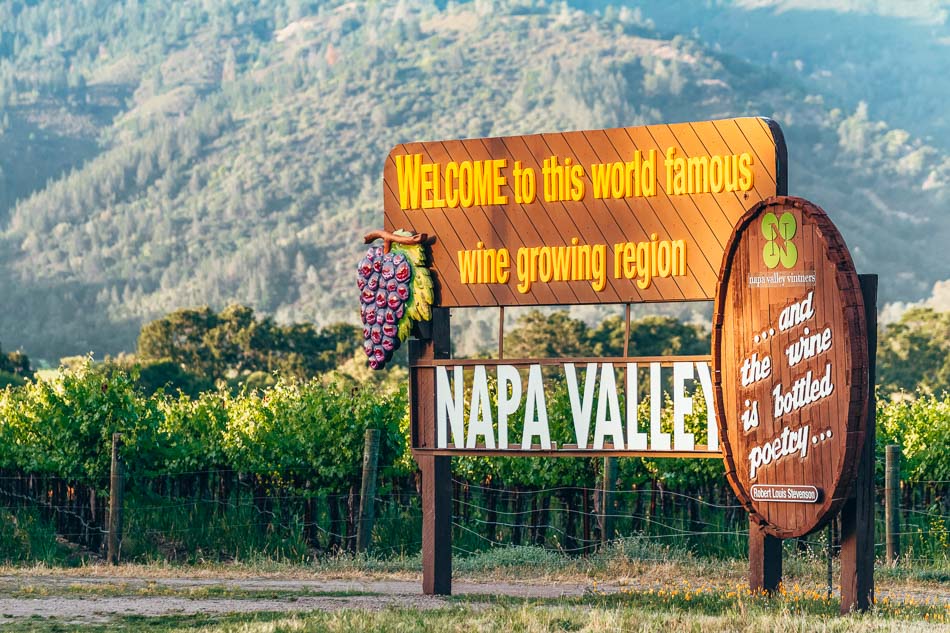
Napa Valley is a 30-mile long stretch of valley, ringed by mountains, running from Carneros to Calistoga. The Napa Valley AVA (American Viticultural Area) includes 16 distinct sub-regions and includes the towns of Carneros, Napa, St. Helena, Yountville, and Calistoga.
Napa Valley takes its name from the biggest city in the area, Napa, and the town of Napa was named after the Napa River which runs through it.
So, when most people say “Napa,” they’re typically referring to ALL of those regions and towns throughout the Napa Valley – not just Napa, the city!
WHAT SHOULD I WEAR TO NAPA?
You don’t need to dress to the nines on a visit to Napa, but you don’t want to look like a schlub, either. Aim for “wine country casual” – kind of a cuter, frillier version of business casual. You’ll fit right in wearing a sun hat (this is my favorite), cute sandals, and a dress.
Napa Valley is about 40 minutes east of Sonoma and the Pacific Ocean, and its daytime temperatures climb much higher than foggy Coastal California. Daytime – especially in the summer – can get to over 100 degrees, so wear something breathable and comfortable!
But if you’ll be staying overnight or past sunset, bring warm layers. It’s much colder during the night than it is during the day – temperatures can plummet 20 degrees within hours.
I’m from Chicago, so I thought I had thick blood for cold weather, but the Pacific breeze is natural and guaranteed after sundown! You’ll be shivering in your sundress, so pack a change of clothes and a warm sweater for the evening.
WHAT IS THE COST OF TASTINGS IN NAPA?
Wine tastings normally cost between $15-50. $30 is about an average price for a tasting, and yes, that’s per person. Napa is pricey!
That said, you can usually get this fee waived by buying a bottle or two of wine. You can also sometimes find two-for-one tasting deal coupons by stopping by the Visitor’s Center.
WHAT IS “PALATE FATIGUE” AND HOW CAN I AVOID IT?
Palate Fatigue is what happens when you’re tasting the same thing over and over again until you become unable to taste its nuances anymore – or lose all appetite for the thing you’re tasting. It’s like the wine tasting equivalent of when you repeat or stare at a word until it loses all meaning. And when you’re paying as much as you are for tastings in Napa, it also means you’re probably not getting your money’s worth.
A rule of thumb: Two tastings in a day is relaxed. Three is efficient. Four or more tastings is work.
You might be excited to visit all of your favorite wineries, but if you’re doing more than four, be sure to plan a nap before dinner. When I’m looking for new wine for Palate Club, I taste at four or five wineries a day. I’m a wine professional with a decade of experience, and I still find that I have significant “palate fatigue” after three wineries.
WHAT’S THAT BUCKET FOR?
Most Napa tasting rooms will have buckets out on every counter (and if you’re lucky, crackers or other neutral-tasting nibbles). These are called Spit Buckets or Dump Buckets (yes, even in the fanciest wineries, this is what it’s called), and they’re there for you to toss out the rest of your glass – or even your mouthful of wine. And don’t worry, it’s not considered rude!
It may seem counterintuitive to pay for a taste of wine that you just dump out, but if you’re a serious wine connoisseur, you’ll find learn that there are some wines you just don’t really like – and you don’t need another sip of. Spitting is also a great way to taste wine without going way over your limits, and it reduces palate fatigue, too.
Here’s a sommelier secret to having your best day of wine tasting: you have to spit. When I visit wine country to find wines for Palate Club, I sometimes spend four hours on the road and taste 100s of wines in a day. If there is not a spit bucket, I ask for one to make sure that I get back to my hotel safely. It’s not rude, and it’s not wasting wine. Most winemakers appreciate it when you pace yourself to stay sober enough to enjoy the wines.
That said, if you have different plans for your weekend in Napa, no judgment!
WHAT SHOULD I EAT IN NAPA?
I typically practice intermittent fasting, but I always eat breakfast before wine tasting. Even if you’re spitting, you’ll get worn down quickly without food. Plan time for lunch and bring snacks in the car.
You’ll want carbs, healthy fats, nutrients, and lots of water. I like to pack nuts, fruit, baguette, and plenty of water in a reusable water bottle. You can grab a sandwich off Highway-29 at Oakville Grocery, just north of the Opus One winery, and bring it along with you.
I also included my favorite restaurants in Napa at the end of this post because if there’s one thing Napa does amazingly well other than wine, it’s food!
HISTORY OF NAPA
Napa Valley started its viticultural journey with Spanish missionaries in the 1770s. At the time, Palomino Negro was the dominant grape, nicknamed “Mission” due to its cultivators. Commercial planting wasn’t a thing until the early 1880s when the Mexican government released control of viticulture from the church (remember when California belonged to Mexico?).
European influence rushed in after 1849 when settlers flooded the area searching for gold, bringing their preferred grapes and viticulture methods with them. In 1861, Charles Krug founded what is now Napa’s oldest commercial winery. Beringer, Schramsberg, and Inglenook followed suit until the area faced devastating decline due to phylloxera, an insect pest of grapevines, and Prohibition.
It was decades before Napa Valley could recover from Prohibition, as only “sacrament wineries,” or wineries that made wine for church, were permitted to operate during that time.
It wouldn’t be until the 1960s when trailblazer Robert Mondavi galvanized winemakers and wine lovers around the world to discover Napa’s underutilized potential. Arguably, it was Mondavi that built Napa’s reputation for fine wine.
But it was the dramatic Judgment of Paris in 1976, when Stag’s Leap and Chateau Montelena shockingly defeated first-growth Bordeaux and Burgundy in a blind-tasting competition, that positioned Napa as the New World’s most famous fine wine region. At the time, even wine professionals outside of France weren’t taken seriously, so when California stole the show, it was a huge upset.
The movie Bottle Shock dives into the dramatic story, and the day that put Napa officially on the map forever!
WHAT TO KNOW BEFORE YOU VISIT NAPA
HOW TO GET TO NAPA
The easiest way to get to Napa is to fly into either San Francisco, Oakland or Sacramento and rent a car. Napa Valley is about an hour north of San Francisco and Oakland, and an hour west of Sacramento.
You can rent a vehicle from the airport you fly into, or directly in Napa. Note that California roads are often windy, so if you get car sick, opt for a comfy SUV rather than a sports car!
Travel Tip: Keep in mind that the Bay Area is rated one of the worst areas for traffic in the country, so give yourself plenty of cushion time, especially during rush hour (7-10 am or 4-7 pm). Be prepared to get stuck behind a tractor or bus without a passing lane, which can significantly pressure test your schedule.
GETTING TO NAPA WITHOUT A CAR
If you want to skip driving, there are options to get from San Francisco to Napa Valley.
Extranomical Tours and Gray Line San Francisco both have reputable wine country tours that include San Francisco pickup. Uber and Lyft will also get you there for around $120 one way.
You can also take a bus and train combination through Amtrak to get from San Francisco to Napa Valley in 3-4 hours for around $40 round trip – this is definitely the cheapest option!
HOW TO GET AROUND NAPA
It’s definitely easiest to get around Napa with a car – but if you won’t have one, or you just want to focus on enjoying the wine, you do have a few options.
Travel Tip: most of these options require you to pre-plan your itinerary. Many wineries require reservations, and they can fill up quickly during the busy season. In general, I suggest making reservations, as you can plan your route and you won’t waste time getting turned away if the tasting room is full.
But If you’re not particular about where you go and want more guidance from a local (and transportation as well), consider one of Napa’s many wine tours!
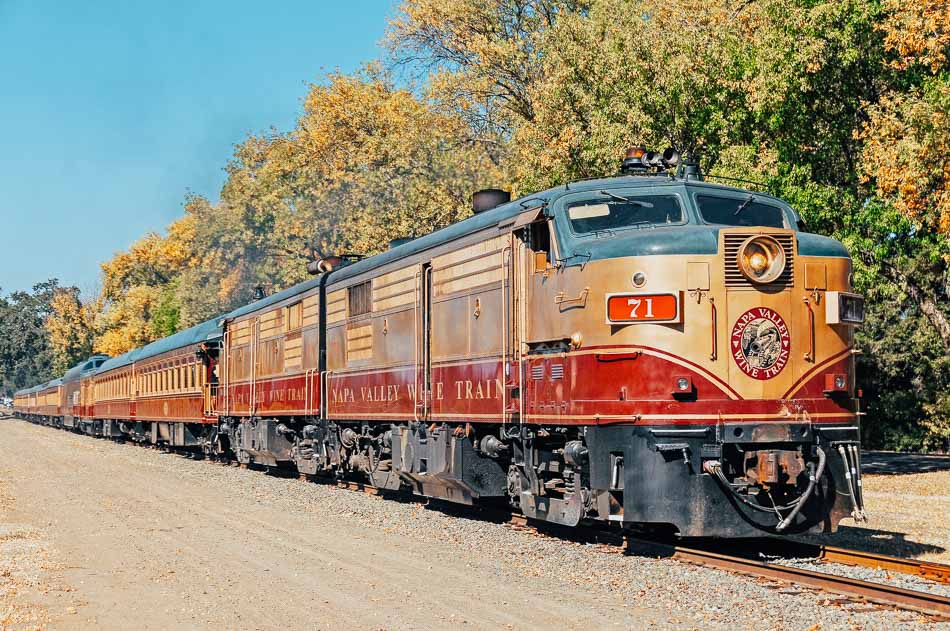
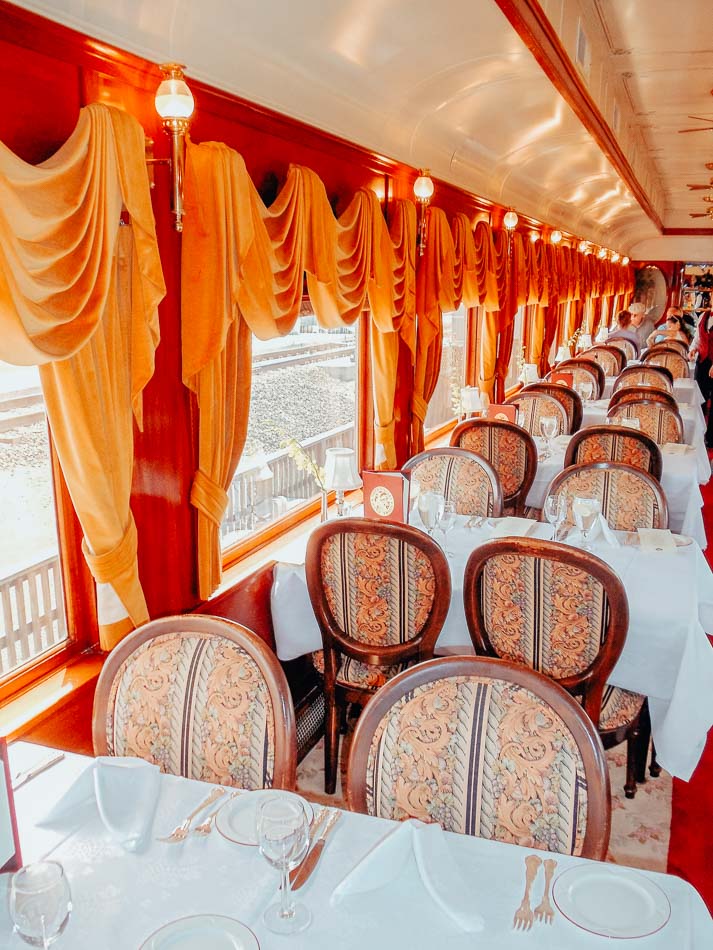
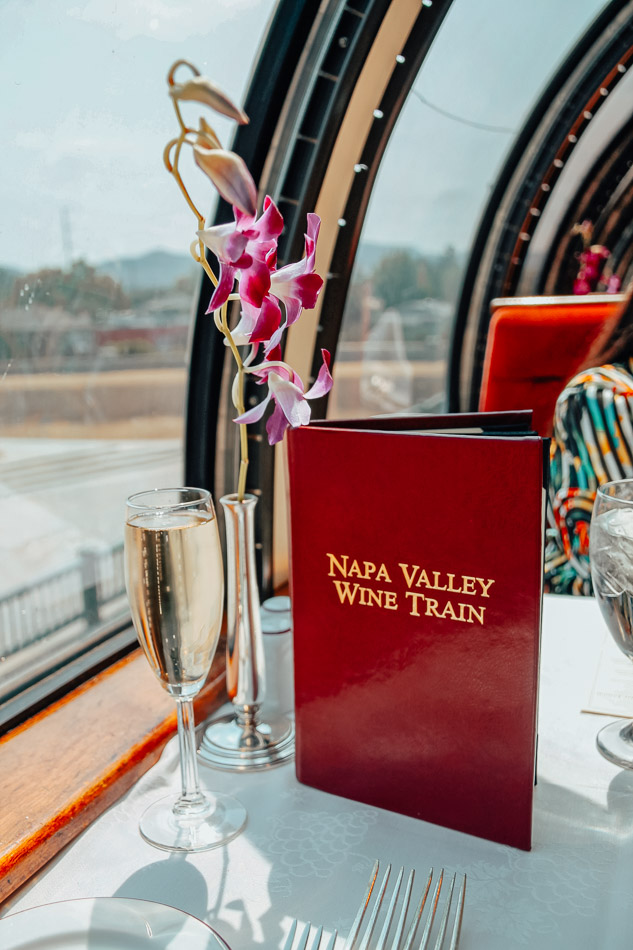
One of the best Napa wine tours is the scenic Napa Valley Wine Train! Watch vineyards and mountains roll by out the windows while enjoying a multi-course meal – and wine, of course.
NAPA WINE TOURS
Napa wine tours are a safe, relaxed way to visit Napa Valley and the easiest way to visit Napa wineries without worrying about transportation. If you have a few days in wine country, I suggest starting with a tour to learn more about Napa, then venturing out on your own to hit up your top-choice wineries!
A few things to note: Unless you hire a private driver, you won’t have much input on which wineries you visit. And gratuity is not included, but most guides typically expect it if you enjoyed the experience – so bring some cash to tip them!
TOURS FROM WITHIN NAPA VALLEY
NAPA TOURS FROM SAN FRANCISCO
Staying in San Francisco? There are a few great options for day trips to Napa Valley that include pickup and drop off in San Francisco:
THE BEST WINERIES IN NAPA
There are fantastic wineries spread throughout the entire Napa Valley region! Whether you are taking the classic route on Highway 29 or heading up to hillside destination wineries along the Silverado Trail, you can find great wineries in Napa sprinkled throughout the densely planted valley; good wine is ubiquitous in the region!
The best wineries combine delicious, balanced wine with spectacular views. Each individual producer will have their own spin, but as a rule, valley fruit tends to be richer, broader, and juicier; and mountain fruit tends to be more savory and elegant.
As far as what to try, Cabernet Sauvignon is the best-known grape from Napa, but you can also find killer examples of Chardonnay, Zinfandel, Sauvignon Blanc, and Merlot.
Below, I’ve organized the best wineries in Napa by their best or most interesting qualities!
*Note: At the time of writing, all Napa wineries require reservation due to COVID-19 health & safety measures.
SCENIC NAPA WINERIES
When I’m looking for hidden gems for Palate Club or scenic views, I make a point to venture up into the mountains, or at least to the Silverado Trail.
You’ll need time, patience, and a designated driver to safely zig-zag up the narrow mountain roads, but the most peaceful and rewarding views are away from congested Highway 29. You also get more diversity of soil and exposure when you’re higher, leading to finer Cabernets.
Here are the best Napa wineries with scenic views:
STONY HILL VINEYARD
Stony Hill Vineyard is among the most respected white wine producers in Napa Valley and the first post-Prohibition estate. The 168-acre vineyard on Spring Mountain is dedicated to French-inspired Chardonnay, Pinot Blanc, and Riesling with an “ethereal” winemaking style: textural, elegant, and with a long, mineral finish.
The winery, which is also certified organic, feels hidden within the Eastern Mayacamas Mountains. Sprawling vineyards shoot out from the tasting room in all directions, with a clear view of the sunny and forested Vaca Mountains. The magic of the setting and the refreshing wines may cause you to lose track of time, so give yourself plenty of space to savor the moment.
FAR NIENTE
“Napa Valley’s Finest Winery” has a storybook-style Chateau at the end of a long, acacia-tree-lined drive. Forty-niner John Benson built the property in 1885, but it was later renovated to its current glory. Complete with a vintage car collection, a reflection pond, and lush trees that turn golden in the fall, Far Niente’s estate is the making of Napa daydreams.
The winery focuses on two varieties: Cabernet Sauvignon and Chardonnay. They’re known to save back vintages, so this is also a great place to taste older Napa – but be ready to shell out some cash for it!
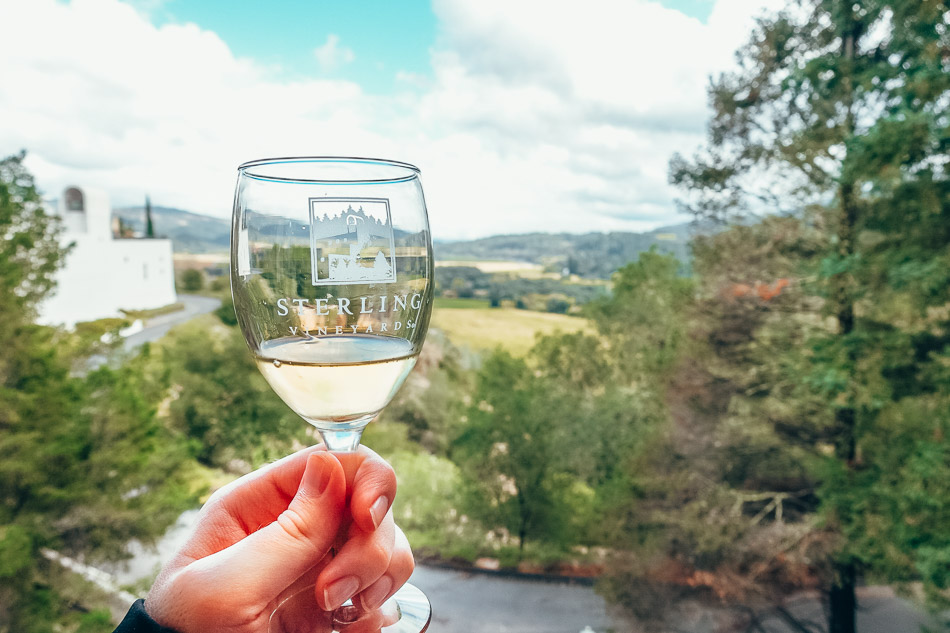
STERLING VINEYARDS
“Napa Valley, Elevated.” Situated high on the Mayacamas near Calistoga, Sterling is a high-elevation winery best known for its vantage point.
Take the Aerial Tram at Sterling Vineyards for a 360 view of rolling Napa vineyards, the Vaca and Mayacamas Mountains, and the sun-drenched valley. Napa is rather dry, so the view has a desert-meets-the-ocean view, with oak and pine trees studded along the golden, low-range Vacas. You can see birds of prey circling high above the wildlife in the forested Mayacamas below.
They produce Cabernet, Zinfandel, and Chardonnay, but I’m a fan of their Sauvignon Blanc for its bright fruits and refreshing acidity.. Their flagship is Sterling Vineyards Iridium.
*2021: Sterling Vineyards is currently undergoing renovations after the 2020 Glass fire and is not open for tastings.
SOMERSTON ESTATE
This 1,682-acre estate pushes for a top-class Cabernet in Napa’s Eastern Vaca Mountains. They produce single-block wines from organic fruit, using the best sites from each vintage to release. Cabernet Franc, Merlot, and Sauvignon Blanc play supporting roles as mono-varietal offerings.
The founders emphasize excellence in every way, down to pH-balanced water and carbon-neutral practices at the winery. They offer tours and food pairings at their hidden Napa estate about 10 miles off the Silverado Trail.
Give yourself time for the winding roads (it’ll be worth the views). For a premium, you can book a private dinner with the winemaker Craig Becker.
BUDGET-FRIENDLY WINERIES IN NAPA
Napa Valley is synonymous with a lux lifestyle, but that doesn’t mean you can’t glam out on a budget (well, “budget” by Napa standards, anyway). In fact, many of the more commercial brands you can find at most grocery stores are big businesses, meaning they have the cash to build stunning properties with consistent quality wines.
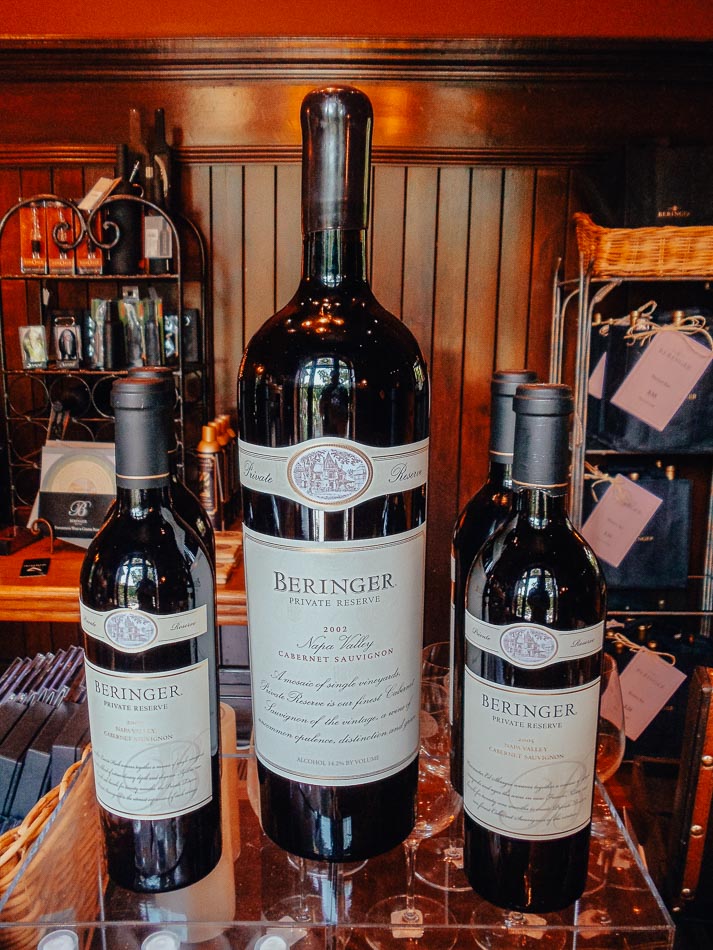
BERINGER ESTATE
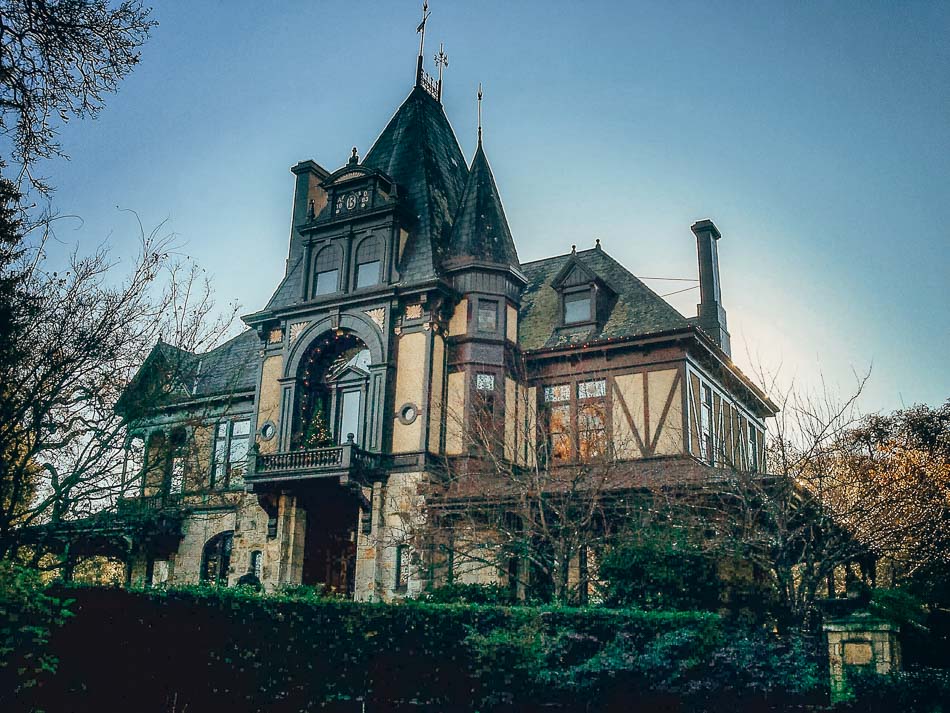
Beringer is one of the oldest wineries in Napa, and the historic Rhine-style chateau is worth a visit in and of itself. The founder moved to California from Germany in the 1870s, and the German influence on the property gives the estate a storybook feel.
The ornate chateau could be straight out of Beauty and the Beast, except that it’s landscaped by California succulents and hydrangea. Stroll the cobblestone path around the manicured gardens or explore history in the wine caves.
Designated a Historic District on the National Register of Historic Places, their wines are both commercially and historically. The range reaches from straight-up Beringer White ZInfandel to top-class Cabernet. There is a wide range of tasting options available: the cheapest option is just a class of wine and a stroll around the estate for $20, and the next option up is an outdoor seated tasting of 4 wines for $35 per person.
SUTTER HOME
There’s a very good chance that you’ll recognize Sutter Home’s labels from your local grocery store aisle: this is a big, popular brand! And that’s also what makes it a budget-friendly Napa winery.
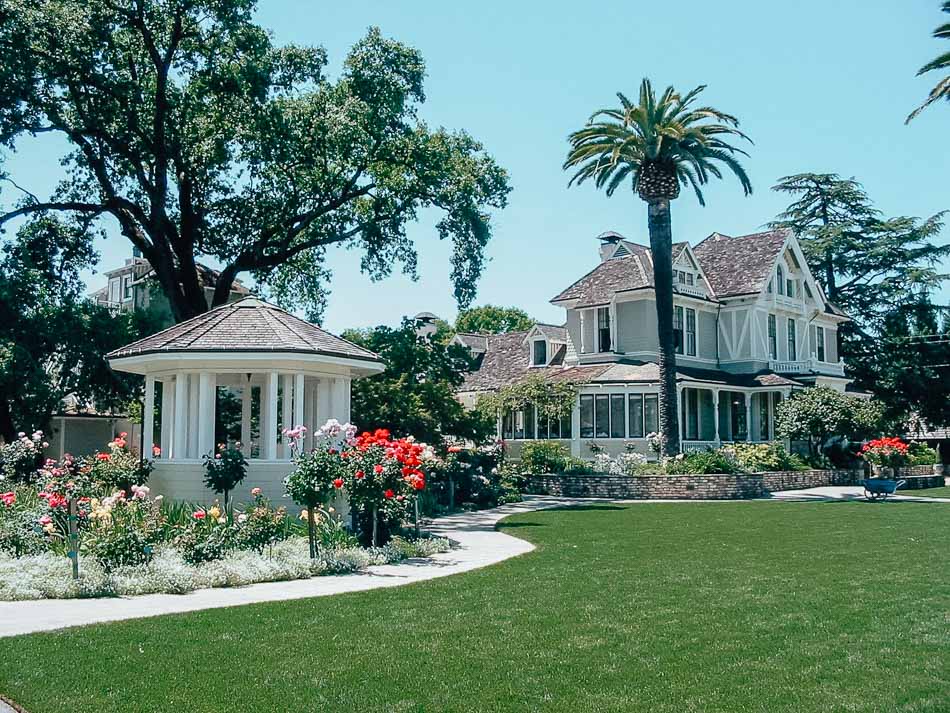
Sutter Home’s yellow Victorian Mansion is packed with country-club style charm. After tasting, you can stroll through their rose garden. It feels a bit like visiting your rich grandmother in Georgia, rather than a wine tasting in California: perfectly organized garden paths, a wrap-around porch on a yellow American-style mansion, and smiling service staff ready to quench your parched palate.
Their wines range includes fruit infusions, traditional dry reds and whites, sweet wines, and rosés. The wines themselves are usually under $10/bottle.
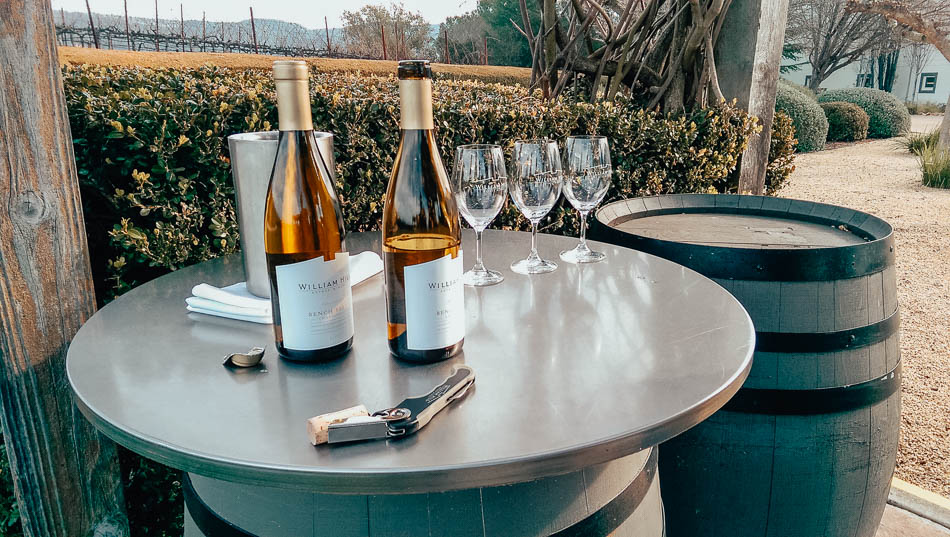
Wine tasting at William Hill Estate, one of the best wineries in Napa to watch the sunset! Photo Credit
WILLIAM HILL ESTATE
William Hill’s stunning Atlas Peak estate rests peacefully on the Eastern side of the valley, well hidden from busy Highway 29. It’s one of the few wineries on the Eastern side is one of the best-situated spots for watching the sunset, especially during the winter months. Their outdoor deck is well situated to catch sunlight and views of rolling vineyards.
They offer a few tasting experiences for their Bordeaux-influenced reds and whites, including an estate tasting with bites, an Arbor Picnic Basket tasting with access to their magnificent views, and a Library Tasting of back vintages.
The sexier experiences are more expensive but still a good value when considering that food is included. Their wines start at $17, which is a fraction of the cost of many Napa Estates.
ECO-FRIENDLY & SUSTAINABLE WINERIES IN NAPA
“Eco-friendly” or “sustainable” wineries are umbrella terms to cover organic, biodynamic, and environmentally-friendly wineries.
There are a plethora of certifications: certified organically grown grapes, Demeter biodynamic, and Napa Green are just a few. Organic means grapes were grown without pesticides, but biodynamic takes it a step further and uses moon cycles and natural remedies like chamomile to work with the environment to grow grapes. Sustainability practices such as Napa Green measure the amount of water used at the winery and carbon emissions in the vineyard.
Even better? Not only are eco-friendly vineyards better for the environment, but they tend to make better wines! Here are the best sustainable wineries in Napa.
SPOTTSWOODE
A gorgeous Victorian-style home built in 1882 is the heart of the Spottswoode winery in St. Helena. The organic estate is a family wine estate, but their accolades are anything but humble.
Spottswoode, which frequently receives 100-point scores from various wine critics, was one of California’s first wineries to adopt organics. They later adopted biodynamics, so now their estate vineyard is a “living, breathing ecosystem.”
Spottswoode heralds the philosophy of “One Earth” and takes a holistic approach to everything they do in the winery, the vineyards, and business. Spottswoode was also the first winery to become a Certified B-Corporation.
Tasting their coveted Cabernet Sauvignon is an experience in and of itself, but the sense of life and energy you feel at the estate vineyard puts the excellence into perspective.
TREFETHEN FAMILY VINEYARDS
For three generations of the winemaker, the Trefethen family made various Napa wines from estate vineyards in the Oak Knoll District. If you’re ready to take a break from Cabernet, Trefethen will fill your void for Cabernet Franc, Riesling, Pinot Noir, Malbec, and a variety of other less-common grapes in Napa (they, of course, also make Cabernet and Chardonnay).
The family emphasizes biodiversity. Instead of using pesticides, they use plants and nesting spots to attract natural predators that eat harmful vineyard pests. They also practice water conservation, waste diversion, diverse employment, and solar-powered electricity.
According to Hailey Trefethen, “Everything we do comes from this land, so we strive to keep it healthy.” Trefethen offers several outdoor experiences where you can appreciate their work with a view of their lively estate vineyards.
CLIFF LEDE
The 60-acre Stag’s Leap District winery became Certified Napa Green in 2015. Sustainable practices include implementing Carbon Farming and Regenerative procedures, reducing water waste, and social equity and inclusion.
Planted by Napa viticulture legend David Abreu in 2002, owner Cliff Lede named the vineyards after his favorite songs: “My Generation,” “Dark Side of the Moon,” etc.
Cliff Lede focuses on Cabernet Sauvignon and Sauvignon Blanc, but the winery also produces a couple of red blends: “High Fidelity” and the Bordeaux-style “Claret.”
The Sauvignon Blanc was once a go-to of mine when I suggested white wine pairings as a sommelier. It’s a fresh, clean style that pairs well with seafood, salads, and fruit sauces.
KEENAN WINERY
Robert Keenan planted Cabernet vines in the Mayacamas Mountains at 1700 feet, almost twenty years before the area officially became the Spring Mountain District AVA. The region’s poor soils and cooler climate mean the vines struggle and produce less fruit – a good thing for wine, as the grapes will have more concentration and flavor!
Instead of the juicy, giant blockbusters of the valley, Keenan makes a lifted, Bordeaux-style red.
The family-owned winery is solar-powered and sustainably farmed. Cabernet is the flagship, but they also make Zinfandel, Merlot, Chardonnay, and a red blend.
You can make an appointment to take with the winemaker at their tasting room off Highway 29 or their Spring Mountain estate. Their tastings are dog-friendly, too!
MINORITY-OWNED WINERIES IN NAPA
In a recent survey of wine industry professionals, 84 percent of respondents were white (source). The wine industry, as a whole, lacks diversity. As a wine consumer, you can help change that by driving consumer demand and insisting that diversity in wine is the future of the industry. (Psst: this is also part of being a responsible tourist!)
The reason why Napa’s wine industry is so white stems from land ownership, which long ago created a divide between class and race in the wine world – watch this YouTube video to learn more.
In a nutshell, the best vineyard sites are extremely expensive, so historic families that passed down their land as inheritance put the rich, white class at an extreme advantage to sell the best wine in the world for a markup—and without the added cost of paying off the land.
We have a long way to go, and a great place to start to diversify the industry is by supporting minority-owned wineries in Napa. Here are a few winemakers who are making grounds:
Gospel musician James Moss took his passion for wine to a higher level when he studied winemaking under former Opus One winemaker Mark Jessup and former Chateau Montelena and Winemaker Gustavo Brambila before launching his namesake label.
J.Moss focuses on single-block Cabernet Sauvignons sourced from fruit throughout the valley, though they also make Petit Sirah and Chardonnay. Their tasting room is just outside of Napa and offers courtyard tasting flights by appointment.
BROWN ESTATE
The Brown Estate claims to be the first and only (!) Black-owned Napa estate. There are other Black-owned wineries, but incredibly, this is the only one that offers estate fruit. What that means is that while many wineries buy their fruit from vintners, an estate owns their own fruit.
The Brown Estate’s coveted Zinfandels are magnets for top scores year after year, and their Cabernets and Chardonnay stand well on their own.
The family purchased and rehabbed the property in 1980, selling the estate fruit to local wineries until the kids decided to make their wine from 1995.
The Brown Estate tasting room is well regarded for its hospitality and is one of the few wine tastings available in downtown Napa. As it closes at 7 pm, it’s the perfect way to wrap up a day of driving and give your DD a break.
KIEU HOANG WINERY
Vietnam-born Kieu Hoang is an American entrepreneur drawn to red wine during his analysis of health benefits from food and drink products. He claims that “Kieu Hoang Wines showed the highest level of High-Density Lipoprotein among more than 100 tested items.”
Putting health benefits aside, their Cabernets, red blends, and Pinot Noirs are balanced and nuanced, emphasizing red fruit. They choose more cool-climate AVAs within Napa: Spring Mountain and Carneros. This selection lends for a more elegant style of red wine.
They offer tastings just outside of Napa at their back veranda that overlooks Napa vineyards.
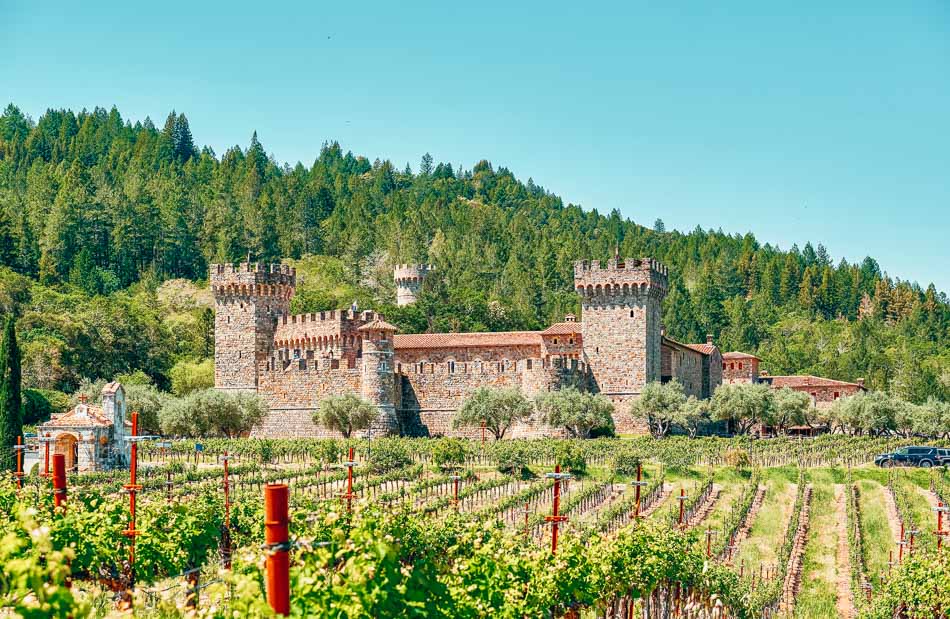
Castello di Amorosa is a Napa winery modeled after a 13th century Tuscan castle, complete with a torture chamber. For… accuracy, I guess? (Yep, accuracy.)
OTHER MUST-SEE WINERIES IN NAPA
Here are my picks for other must-see wineries in Napa Valley.
CASTELLO DI AMOROSA (LIA’S PICK)
Some wineries you visit for the wine. Some you visit for the scenery. And some, you visit because they’re so absolutely ridiculous you just have see it for yourself. Morbid curiosity, perhaps?
Castello Di Amorosa is in that last category. Meant to be an authentic replica of a 13th-century Tuscan castle, the owner (who also owns V.Sattui winery) used more than 1 million antique bricks taken from Hapsburg palaces and imported handcrafted hardware from Italy. The castle is sprawling and no expense has been spared, from the lake to the terraces. and courtyards to the armory to the …er, torture chamber.
Yes. That’s right: this winery has a torture chamber.
Fortunately (or unfortunately, depending on your personal preferences) it’s not a functioning torture chamber – it’s just for show. And because, according to the owner, real 13th century Tuscan castles have torture chambers, so in order to achieve true authenticity, Castello Di Amorosa has to have one, too.
Whether you chalk that up to “people with too much money doing ridiculous things” or you have a deep appreciation of medieval replicas, you just have to go see it for yourself. Ah, maybe that’s the true reason behind the torture chamber …
STAG’S LEAP
Napa may have never reached its prestige without a 1976 wine tasting where Stag’s Leap overwhelmingly outperformed First Growth Bordeaux and Burgundy in a blind tasting. The event, now dubbed “The Judgement of Paris,” turned the world’s attention to the quality and potential in this unknown area in Northern California.
Built in the 1800s, the winery was originally an aristocratic home, passed through several families before Beringer (now Treasury Wine Estates) constructed a 28,000 ft cave into the rocky mountainside. They also planted strolling gardens to surround the historic Manor House that currently serves as the tasting room.
Stag’s Leap remains the epitome of quality California Cabernet Sauvignon, made from estate fruit in state-of-the-art facilities. You can book a tasting and tour through the gardens at the secluded yet accessible estate off Silverado Trail.
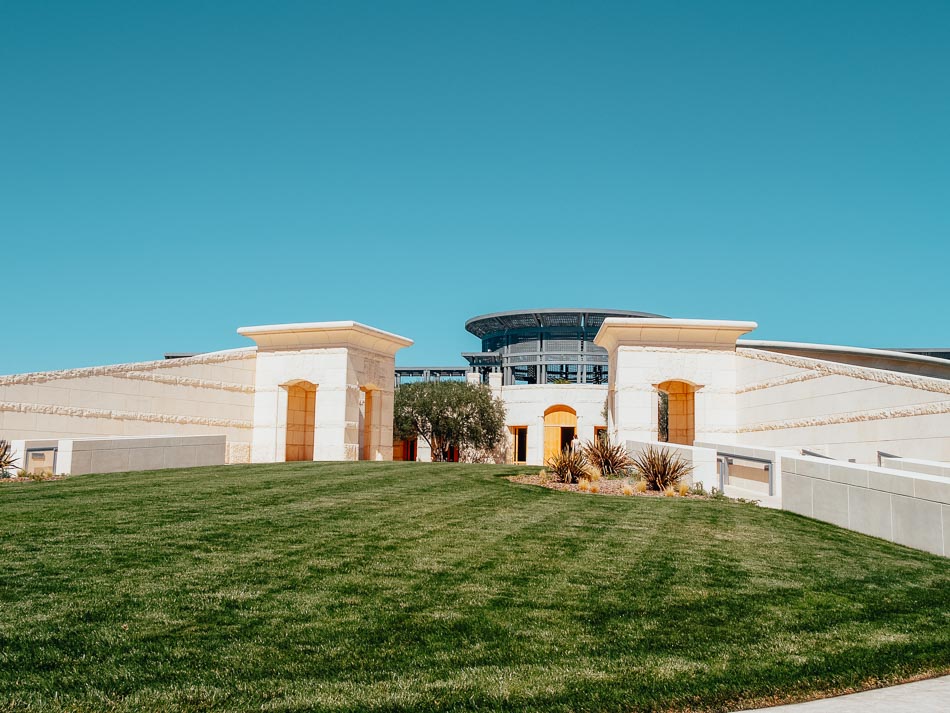
The Opus One winery is owned by the Mondavi family and makes wines that are coveted by wine collectors worldwide. Photo Credit
OPUS ONE
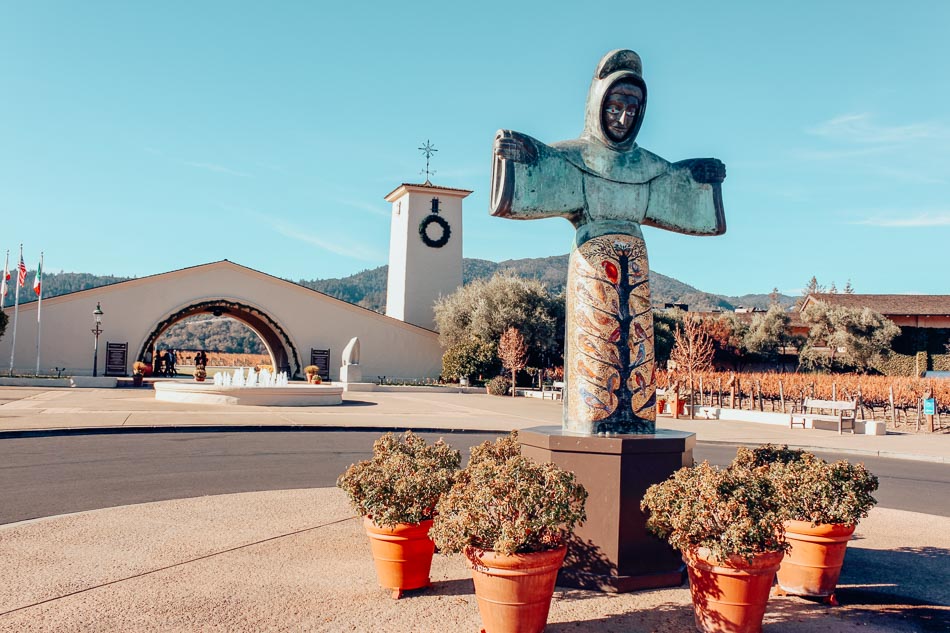
Opus One is among the most coveted wines globally and in the cellar of any serious wine collector. Owned by the Mondavi family (and just across the street from the flagship winery), the project is a brainchild of current-generation Carlo Mondavi and Baron Philippe Rothschild’s family—the family behind one of the five Bordeaux Châteaux to be awarded First Growth status.
The estate vineyards surround the modern tasting room sprawls with top-tier real estate right off Highway 29.
Every vintage of their rare Cabernet flies off to allocations (pre-arranged agreements to sell the wine to specific collectors or restaurants), but you can taste it by the glass with an appointment. Despite the prestige, the staff is relatively warm and welcoming. You’ll have space to savor your $60 tasting.
The To-Kalon vineyard in Oakville is Robert Mondavi’s flagship, and arguably the most famous vineyard in Napa! Photo Credit
ROBERT MONDAVI
Robert Mondavi is the modern-day father of Napa Valley and the man who traveled the world to champion its quality. During a time where post-prohibition tastes often favored sweet wines, he focused on planting Cabernet vines with superior quality.
His To-Kalon vineyard in Oakville is arguably the most famous vineyard in all of Napa. Now led by female winemaker Geneviève Janssens, the wines continue to be a standard-bearer for Napa greatness.
The sunny ranch-style estate wraps around a courtyard with hidden views of Oakville vineyards. They offer tastings in a range of styles, from Oakville Cabernet Sauvignon to oaked Sauvignon Blanc. You can book a tasting, a tour, or a dining experience. The winery even offers concerts, pending seasonality and pandemics.
EVEN MORE AWESOME WINERIES IN NAPA VALLEY
I’ve either been to or tasted the wines from all of these wineries. It’s a perfect mix of history, innovation, and great wine!
If you still can’t decide on which Napa wineries to visit, head over to this complete directory or take a look at this map of all of the Napa wineries. You can also download the Winery Finder app and browse wineries in Napa by the best deals and what’s nearby!
WHERE TO STAY IN NAPA VALLEY
Napa Valley is actually a region that includes several small towns, all of which typically have a little walkable area and are close to wineries. So before you pick a place to book, think about which part of Napa Valley you want to base yourself in: Napa, Yountville, Calistoga, or St. Helena.
Keep in mind that it takes anywhere from 35-90 minutes from upper Napa Valley to lower Napa Valley depending on traffic, so it’s helpful to think of which wineries you want to visit before you book your hotel to keep your driving time down!
Napa, the largest city, has fabulous boutique hotels and plenty of restaurants – plus, it’s got a scenic river to go kayaking on. St. Helena and Yountville are charming and walkable towns, with phenomenal world-class restaurants. But you might also consider staying in Calistoga, which has more of a romantic-getaway vibe and a plethora of spas thanks to its natural geothermal hot springs!
Here are my picks for where to stay in Napa:
THE BEST RESTAURANTS IN NAPA
Where there is a great wine, there is excellent food. I left off the most famous destinations, as it’s notoriously difficult to get a reservation at pricey French Laundry or Meadowood.
Here are a few of my favorite restaurants in Napa Valley:
About Our Contributing Writer: Aubrey Terrazas is a wine writer and Master Sommelier Candidate who lived in San Francisco, Chicago, and Lyon, France. She is a Co-founder and wine buyer at Palate Club, the online wine club that features a blind tasting experience with wines matched to your taste. Aubrey also runs Terra Vine, a wine marketing agency between the USA and Europe. Top of Form
About Napa Green: The Napa Green 501c3 is a global leader in sustainable winegrowing, setting the highest bar for sustainability and climate action in the wine industry. Napa Green facilitates whole system soil to bottle certification for wineries and vineyards, and provides the expertise, boots-on-the-ground support, and resources to continually improve. Learn more at https://napagreen.org/participating-members/.
Anna Brittain
Napa Green
+1 805-636-3329
email us here
Visit us on social media:
Facebook
LinkedIn
Instagram