 Ben Mackie | Napa Valley Register
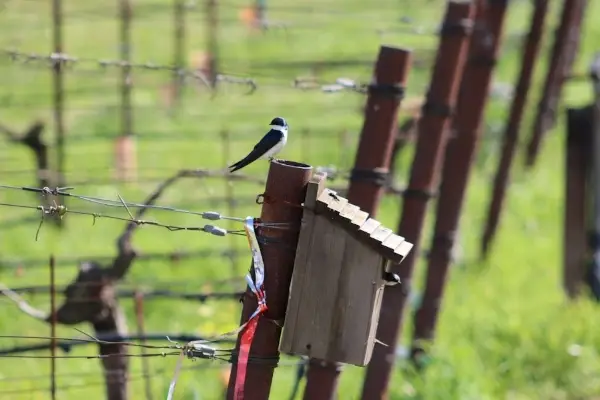
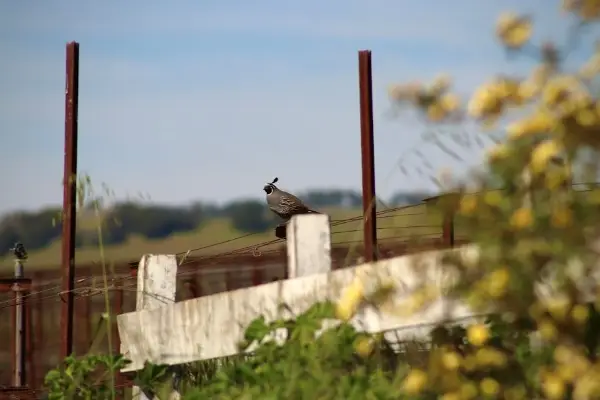
A few years back, when I first visited the Grgich Hills Estate vineyard in American Canyon on a cold winter morning, the first thing I noticed was the biodiversity. As I entered the gates, I was greeted by a plethora of bird species – a flock of redwing blackbirds, a red-shouldered hawk perusing the vineyard rows, tree swallows, goldfinches, and yellow-rumped warblers basking in the morning sun. I ended up tallying 24 bird species on one visit (with the help of the Merlin ID app).
Throughout the property, there are multiple islands and corridors of pollinator habitat, hives of honeybees, owl and bird boxes, and raptor perches. There are also flower and vegetable gardens tended by and harvested for the vineyard crew, an olive grove, and flocks of ducks, chickens, and guinea hens. The site is grazed in the vineyard by sheep and on the periphery by the neighbor’s Hereford cattle.
Grgich Hills Estate has also adopted the practice of committing four vine rows in each block that they replant to biodiversity rather than to winegrapes. They plant flowering cover crops and insectary blends, irrigate them throughout the summer, and curate the habitat in the vineyard. This is not just altruistic practices for the birds and the bees. The species planted also provide habitats for predators of vine mealybug, one of the main contemporary pest concerns of vineyard managers.
Given the total acreage of winegrapes removed in the past year in Napa (estimated at around 3,000 acres), if more vineyards adopt these practices, hundreds of islands of biodiversity would be established, increasing the health of the region’s ecosystems while simultaneously sequestering carbon dioxide. It seems that a truly resilient, regenerative vineyard looks a lot more like a diversified farm than a vineyard.
It has been said that we are currently living through the sixth mass extinction event on Earth. This one is not caused by an asteroid or a volcanic eruption, but by us – by humans. A recent report from Germany indicated a 75% reduction in flying insects in 27 years. North American bird populations have dropped by over 30% since 1970, 40% of all insect species are declining globally, and one-third of them are endangered. And the monarchs! Don’t forget the monarchs! The well-documented plummet in their overwintering population on the California coast is an annual reminder of an indicator species that we all know and love; it feels like they have become the ‘Save the Whales!’ rallying cry of the 2020s.
This is a decline we can feel within a single lifetime. I remember summer drives in the 90s, when the windshield would be plastered with dead bugs (RIP), but driving around now, you barely have to use your windshield washer fluid.
A large portion of the recent decline in wildlife populations is attributed to agriculture. The change from natural habitats to cultivated acreage can devastate native fauna, and the use of agrichemicals only exacerbates the damage. However, consciously-managed, diverse agroecosystems can actually support native birds, insects, and other allies.
Historically, when you drove up Highway 29 through the heart of the Napa Valley, especially in the summer, much of the landscape was a monocrop of grapes and exposed soil – not an ecosystem in which anything except the desired crop can thrive. There are certainly diverse, well-tended gardens around tasting rooms and where tourists visit, but there is vast acreage lacking diversity within the vineyard. There has been progress in the last decade to integrate more diversity in vineyards through hedgerows and pollinator way stations, and Grgich Hills American Canyon is an excellent example of enhancing habitat in the vineyard.
Napa Green is holding a walking workshop about cultivating biodiversity at the Grgich Hills Estate-American Canyon vineyard on the morning of Thursday, February 26th, with speakers including Napa Resource Conservation District (RCD), Monarch Joint Venture, Wild Farm Alliance, Napa Pasture Protein, and more. For information, visit NapaGreen.org.
Ben Mackie is the Vineyard Program Director at Napa Green and he would like to know what your favorite bird is.